Skilled Strategies for Managing Your Fish Filleting Knife
Maintaining a fish filleting knife is vital for both protection and effectiveness. Consistent honing, proper washing, and proper storage are necessary practices. A well-cared-for knife not only improves the filleting process but also prolongs the tool's durability. Understanding the nuances of these maintenance techniques can greatly impact results. However, many ignore common pitfalls that can cause deterioration. What are the key strategies to guarantee ideal care?
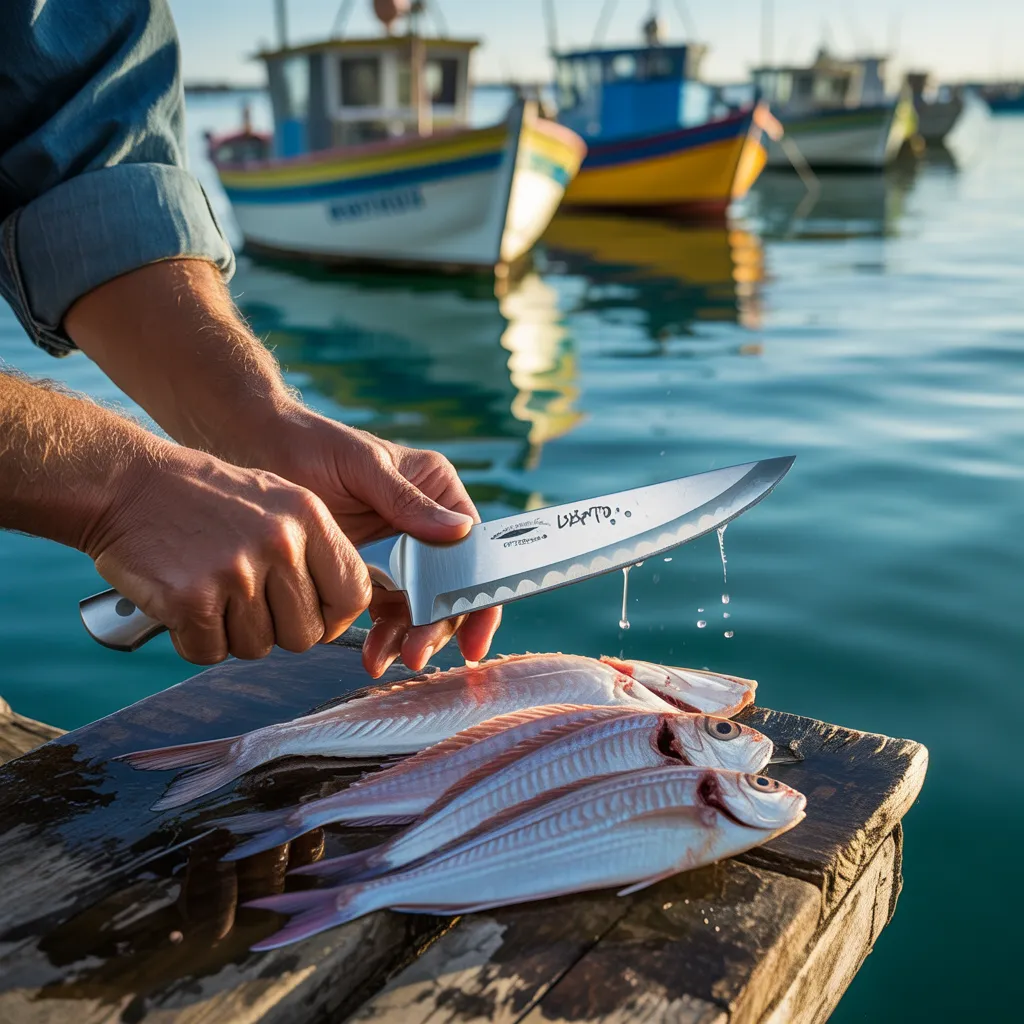
How to Choose the Ideal Fillet Blade for Your Situation
What is the best way to choose the perfect filleting knife? The process begins by considering the knife's blade length, typically ranging from 6 to 9 inches. A longer blade allows for effortless, long cuts, while a brief blade provides greater control, particularly for smaller fish. The blade's flexibility is another crucial factor; a more flexible blade excels in intricate filleting, while a stiffer blade provides stability for larger fish.
Components are equally significant. High-carbon stainless steel is often preferred for its durability and edge retention. The handle should ensure comfortable gripping, as this enhances control and reduces fatigue during use.
Weight remains another consideration. A well-balanced knife makes filleting less difficult and more accurate. Finally, individual preference cannot be overlooked; trying different knives can help identify the one that feels most comfortable, ensuring comfort and efficiency in the filleting process.
Why a Sharp Filleting Knife Is Essential for Fish Processing
A acute filleting knife greatly enhances the fish food prep workflow, permitting clean, precise cuts that protect the caliber of the meat. When filleting fish, a dull knife can shred the flesh, leading to uneven cuts and waste of valuable meat. This can harm both the visual appeal and palate of the final dish. Moreover, utilizing a sharp knife decreases the work needed during filleting, rendering the process more efficient and enjoyable.
A well-maintained, keen filleting knife also enhances security in the kitchen. Dull edges demand more force, increasing the risk of accidents and slips. By maintaining a sharp edge, the cook can have greater control over the knife, producing safer use.
Procedures for Cleaning Your Fish Fillet Knife After Used
Cleaning a fish filleting knife promptly after use is crucial for maintaining its longevity and performance. The first step involves rinsing the knife under warm water to wash away any fish residue. This should be done immediately to prevent the proteins and oils from hardening on the blade. Next, a mild dish soap can be applied with a soft sponge or cloth to gently scrub the surface, ensuring that all contaminants are eliminated.
It is vital to avoid harsh substances that could scratch the blade. After cleaning, the knife should be meticulously rinsed and dried immediately with a smooth cloth to prevent rust and corrosion. For those with high-quality knives, hand washing is preferred over dishwasher use. Finally, storing the knife in a protective sheath or knife block will contribute to preserving its cleanliness and sharpness, further lengthening its life and effectiveness in the kitchen.
Sharpen Your Knife With These Tested Techniques
Having a well-maintained edge on a fish filleting knife is vital for ideal performance. Knowing the important sharpening tools and following a step-by-step sharpening routine can substantially boost blade longevity. Moreover, suitable techniques for maintaining edge retention guarantee the knife remains performant as time passes.
Vital Sharpening Tools
Sharpening a fish filleting knife requires the right tools to assure precision and efficiency. Essential sharpening tools include whetstones, ceramic rods, and honing steels. Whetstones, offered in various grits, allow for flexible sharpening, catering to both coarse and fine edges. Ceramic rods deliver a fine honing option, excellent for maintaining sharpness without excessive material removal. Honing steels, while often overlooked, are vital for realigning the blade's edge, ensuring peak performance. For those who favor power tools, electric sharpeners can offer quick results but may lack the finesse of manual methods. Each tool performs a specific purpose, and understanding their unique functions will enhance the knife's longevity, ultimately improving the fish filleting experience.
Systematic Sharpening Process
A meticulous sharpening method can substantially boost the performance of a filleting knife. First, place the knife in a stable position. Using a whetstone or honing device, begin by applying a uniform angle, typically around 15 to 20 degrees. Start with the coarser side of the whetstone, making extended, smooth passes from the heel to the tip of the blade. Repeat this process multiple times on each side, ensuring uniform pressure. After achieving a sharp edge, switch to the finer side of the stone for polishing. Finally, assess the sharpness by cutting through a sheet of paper; a smooth cut indicates success. Regular honing not only boosts effectiveness but also extends the knife's lifespan.
Keeping Edge Retention
To ensure optimal edge retention, regular maintenance of a fish filleting knife is essential. A key practice involves honing the edge frequently, which aligns the blade without removing material. Using a honing steel or ceramic rod, the user should gently draw the blade across the rod at a consistent angle. Additionally, proper cleaning after each use prevents corrosion and dulling. A soft cloth or sponge with mild detergent is ideal; harsh chemicals or abrasive materials should be avoided. Storing the knife properly, preferably in a sheath or magnetic strip, reduces contact with other utensils that can cause nicks. Finally, periodic professional sharpening guarantees the blade maintains its best cutting performance, prolonging its lifespan considerably.
Top 5 Blunders to Prevent When Caring for Your Filleting Knife
Maintaining a fish filleting knife requires meticulous care, and several common mistakes can damage its usefulness. Omitting regular sharpening and applying incorrect care methods are two major problems that many people face. matching information Sidestepping these errors is vital for maintaining the knife stays in peak condition.
Overlooking Routine Sharpening
Regular honing is essential for maintaining a fish filleting knife in optimal shape. Many professionals overlook this important upkeep step, leading to blunt blades that hinder performance. A properly honed knife enhances precision, enabling clean cuts and efficient filleting. Ignoring consistent honing can result in greater effort while processing fish, potentially causing slips and mishaps. Additionally, a blunt knife can harm the fish's flesh, compromising texture and presentation. It is advisable to create a consistent sharpening schedule based on usage frequency, guaranteeing peak blade effectiveness. Employing proper honing techniques, whether using a whetstone or honing steel, will prolong the knife's longevity and maintain its performance. Recognizing the importance of this technique is crucial for any fish filleting enthusiast.
Inadequate Cleaning Strategies
Cleaning a fish filleting knife needs careful attention to detail to confirm longevity and good performance. A common mistake is using abrasive materials, which can damage the blade and compromise its integrity. Moreover, some users overlook cleaning the handle, where bacteria can build up. Not properly drying the knife after washing can cause rust, especially on carbon steel blades. Additionally, the use of a dishwasher is ill-advised; heat and detergent can ruin both blade and handle. Lastly, storing the knife without adequate protection can result in nicks and dullness. By avoiding these incorrect cleaning techniques, one can keep the knife in prime condition for years ahead.
Suitable Keeping Options to Shield Your Knife
Correct storage of a fish filleting knife is vital for maintaining its edge and durability. A dedicated knife sheath or roll offers an excellent keeping option, defending the blade from damage and preventing accidental cuts. For those who like a more organized method, magnetic strips can be an outstanding option, permitting the knife to be displayed while keeping it secure and conveniently accessible.
Another effective method is utilizing a knife block, which provides both safeguarding and a stylish way to house multiple knives. Whatever storage option is decided upon, it is important to confirm that the knife is maintained dry and clear of moisture to forestall rust and corrosion. Refrain from storing the knife carelessly in a drawer, as this can result in dulling and conceivable injury. Ultimately, the ideal storage solution will help significantly to upholding the knife's capability and extending its lifespan.
When is it time to swap out your filleting knife?
How can one determine the optimal moment to swap out a filleting knife? Several indicators indicate that a new knife may be necessary. First, if the blade has become extremely blunt despite frequent honing, it may be time to contemplate a new knife. A knife that chips warps, or shows considerable damage can compromise filleting precision and safety. Additionally, if the handle displays cracks or signs of degradation, it can become a danger during use.
Another consideration is the frequency of use. Professional chefs or avid anglers might find that their knives deteriorate faster than those of infrequent users. Finally, if the knife is producing soreness or ache during use, it could indicate an comfort problem, requiring a replacement. Ultimately, recognizing these signs ensures that the filleting process stays efficient and safe.
Often Posed Inquiries
Can I Use My Filleting Knife for Other Types of Meat?
Using a filleting knife for other types of meat is feasible, but it may not yield ideal results. These knives are engineered specifically for fish, leading to less efficiency and precision with harder meat cuts.
What Interval Should I Use to Maintain My Filleting Knife?
A filleting knife should be honed on a regular basis, preferably after every few uses, to keep it sharp and precise. Frequent sharpening guarantees peak performance, improving the ease and accuracy of filleting fish for the best cooking outcomes.
Which Substances Are Most Effective for Filleting Knife Grips?
Wood, polypropylene, and stainless steel are superior options for filleting knife handles. Wood delivers comfort and aesthetics, polypropylene offers moisture resistance and durability, while stainless steel ensures strength and easy cleaning, boosting overall customer satisfaction.
Is It Safe to Use a Dishwasher for Washing?
It is inadvisable to clean filleting knives in a dishwasher. The intense heat levels and strong cleaning solutions can damage the blade and handle, potentially leading to reduced operational capability and lasting quality of the knife.
What's the Most Effective Way to Prevent Rust on My Filleting Knife?
Protect against rust on a filleting knife by routinely cleaning and drying it post-use, spreading a thin layer of food-safe oil, and storing it in a humidity-free area, avoiding moisture and humidity.